relationships
June 17, 2026
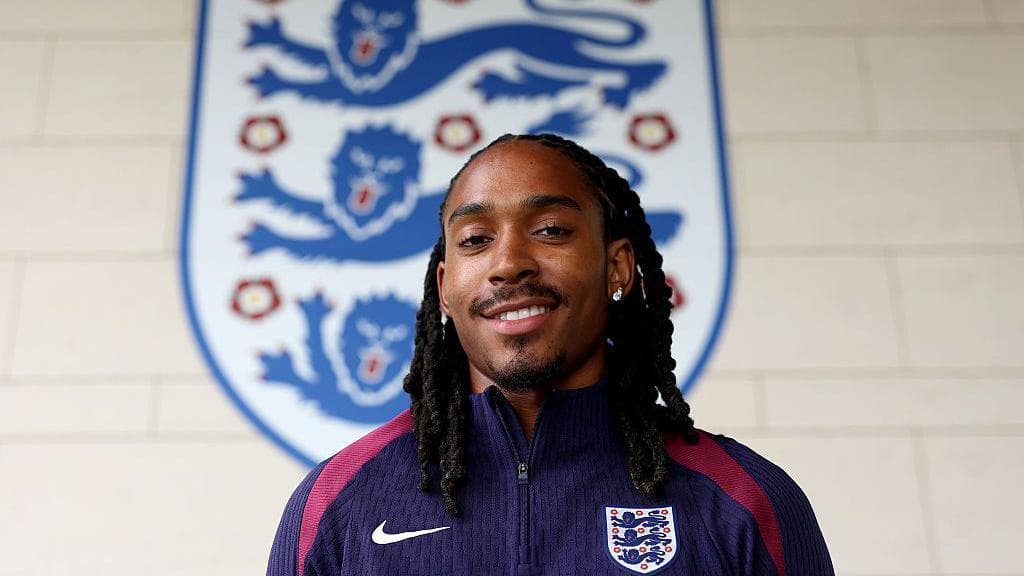
When Djed Spence was named to represent England in FIFA World Cup 2026, it was more than just another international debut. For many fans, it was a football story: a talented player earning his place on one of the biggest stages in the game after years of hard work. But for many Muslims across Britain, it can feel like something more meaningful.
But football didn’t suddenly became diverse overnight. Muslim communities have been part of British football culture for generations, filling stadiums, debating line-ups, playing Sunday league football in the rain, and spending countless hours arguing over goals. Football has long been woven into the fabric of Muslim life in Britain. Yet seeing someone who shares your faith take the field for your country carries a different kind of significance. It serves as a reminder that Muslims belong, and belonging is a powerful thing.
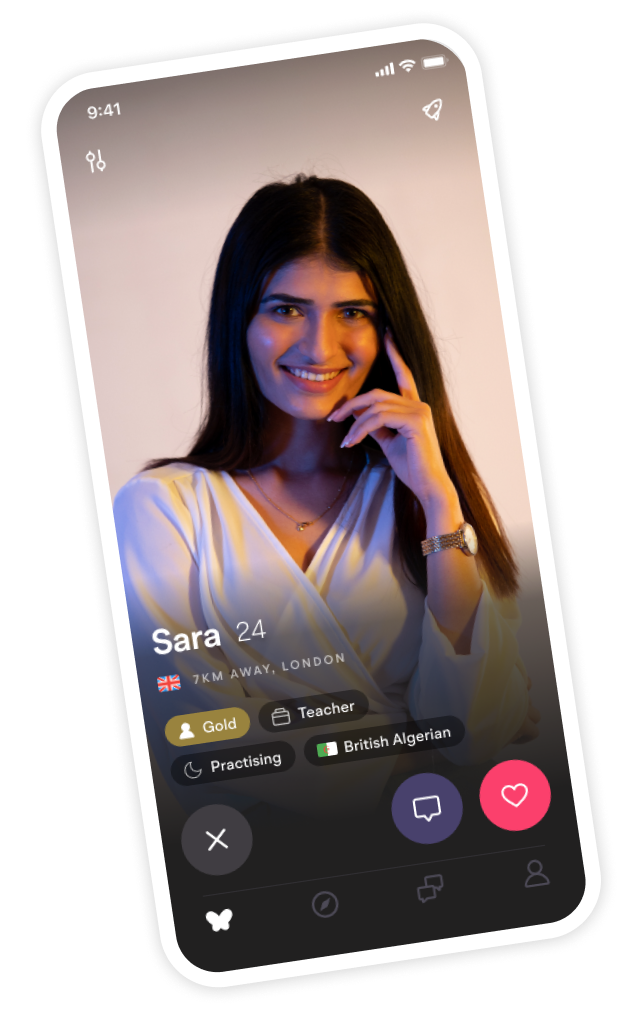
You won’t find your soulmate on this blog post but you might find them on Muzz - the world’s biggest Muslim dating and marriage app.
Djed Spence has become the first openly Muslim player to feature for England’s senior men’s team, marking a significant moment for representation in English football. Tonight, England will play against Croatia in their first Group Stage match at Dallas Stadium in Texas, with the highly anticipated match kicking off at 9:00pm GMT (3:00pm CT).
The Tottenham Hotspur defender earned his first England cap after coming off the bench in the Three Lions’ 5-0 World Cup qualifying win over Serbia. Reflecting on the achievement, Spence described the opportunity as a blessing and said he hopes his journey can inspire the next generation of young Muslims pursuing their dreams in sport.
Spence has spoken openly about the importance of Islam in his life, regularly sharing messages of gratitude and faith with his followers. His England debut was widely celebrated across the football community, with many highlighting the impact his visibility could have for young Muslim athletes who rarely see themselves represented on the international stage.
The conversation around representation often focuses on visibility. The phrase “you can’t be what you can’t see” has become a familiar one, and for good reason. When young people see someone who shares aspects of their background succeed, it expands their sense of possibility. But representation is about more than aspiration – it’s about familiarity and feeling at home.
For years, many British Muslims have supported England while simultaneously navigating questions around identity, culture, and belonging. They have celebrated England victories, suffered through England heartbreak, and grown up immersed in football culture just like everyone else. Yet there are moments when seeing yourself reflected back in a national story can make all the difference.
Djed Spence’s England debut is one of those moments. Not because he represents every Muslim experience, or that his journey mirrors anyone else’s exactly, but because his presence reflects a reality that has long existed across Britain. Muslims are not just watching from the sidelines anymore, they are part of the story.
Belonging is one of those things we rarely think about until we don’t feel it. It shapes confidence, identity, and the way people move through the world. When people feel accepted within a community, they are more likely to participate, contribute, and thrive. When they feel seen, they feel more comfortable showing up as themselves.
Football offers one of the clearest examples of this. The sport has an extraordinary ability to bring together people from different cultures, backgrounds, and experiences. For ninety minutes, strangers become teammates and entire countries move in sync. A shared passion creates a common language that transcends differences. That sense of connection is one of the reasons football remains so beloved within Muslim communities around the world.
Long before football became a global business, it was a community activity. It was a reason for people to gather, socialise, and connect. In many ways, that remains true today. Ask someone about their favourite football team and chances are they won’t simply tell you about the club. They’ll tell you about the parent who introduced them to the game, the cousins they watched matches with growing up, or the neighbourhood where they first kicked a ball around. They’ll tell you about memories.
Football is rarely just about football. It is family, friendship, identity, and culture all rolled into one. Within Muslim communities, this becomes especially visible during major tournaments. World Cups transform living rooms into fan zones, and family or friend group chats into tactical think tanks. Suddenly, everyone has strong opinions about formations, substitutions, and who should be starting up front. The football itself matters, of course, but the conversations surrounding it often matter just as much.
One of the most interesting things about football is how often it acts as an introduction. It is a conversation starter, a bridge between people who might otherwise never have spoken.
At Muzz, football consistently appears as one of the most popular interests people choose to highlight on their profiles. Football remains one of the most popular interests among Muzz users, with 1 in 4 listing it as a hobby on their profile. The sport is particularly popular among men aged 26–35, who make up half of all football fans on the app. Football enthusiasm among users in the UK is strongest in London, Birmingham and Manchester, reflecting the sport’s popularity within Britain’s Muslim communities.
At first glance, that might seem like a small detail, but it reveals something important about how people connect. Shared interests give strangers something familiar to talk about. They provide an easy way into someone’s world. A simple question like “Who do you support?” can quickly lead to stories about childhood memories, family traditions, favourite players, travel experiences, and personal identity. Before people discover whether they are compatible in bigger ways, they often connect through smaller things first.
Football is one of those things – not because the sport itself is the most important part of a partnership or marriage, but because shared passions create opportunities for conversation, which is where connection begins.
As the World Cup captures attention across the globe, those connections become even more visible. Suddenly everyone has predictions. Everyone has a favourite player. The debates become louder, the group chats become busier, and the viral TikTok videos become impossible to avoid.
For a few weeks, millions of people are participating in the same conversation. That spirit extends beyond living rooms and WhatsApp groups. Within Jamaa, Muzz’s social community space, football has become one of the many ways Muslims connect with one another beyond matchmaking. Members are seen celebrating surprise results or passionately defending their chosen teams.
Some conversations are thoughtful and analytical. Others are completely biased. Most sit somewhere in between. But that is exactly the point. Community is not built exclusively through major life moments. It is built through everyday interactions, shared interests, friendly disagreements, inside jokes, and the small moments that make people feel part of something larger than themselves.
Djed Spence’s England debut will be remembered as a significant global moment in English football, but perhaps its greatest significance lies beyond the statistics. Moments like this remind us that representation is not about ticking boxes. It is about expanding the story. It is about ensuring that more people can see themselves reflected in the communities, institutions, and cultural spaces they care about.
For young Muslims watching England this World Cup, seeing someone who shares their faith wear the national shirt may feel meaningful. For the generation growing up behind them, perhaps it will feel completely normal. And maybe that is the greatest sign of progress. Not that the moment is remarkable, but that one day it won’t be.
Until then, football will continue doing what it has always done best: bringing people together, creating conversations, building communities, and reminding us that sometimes the things we have in common matter more than the things that make us different. Whether it’s supporting the same team, debating the same match, or finding someone who shares your interests, connection often starts in the simplest of places.