relationships
October 1, 2026

“Log shaadi se nahi, buri shaadi se darte hain…”
For many people today, marriage isn’t something they are willing to rush into. And for women especially, the question is no longer just “When will I get married?” but “What kind of marriage am I getting into?”
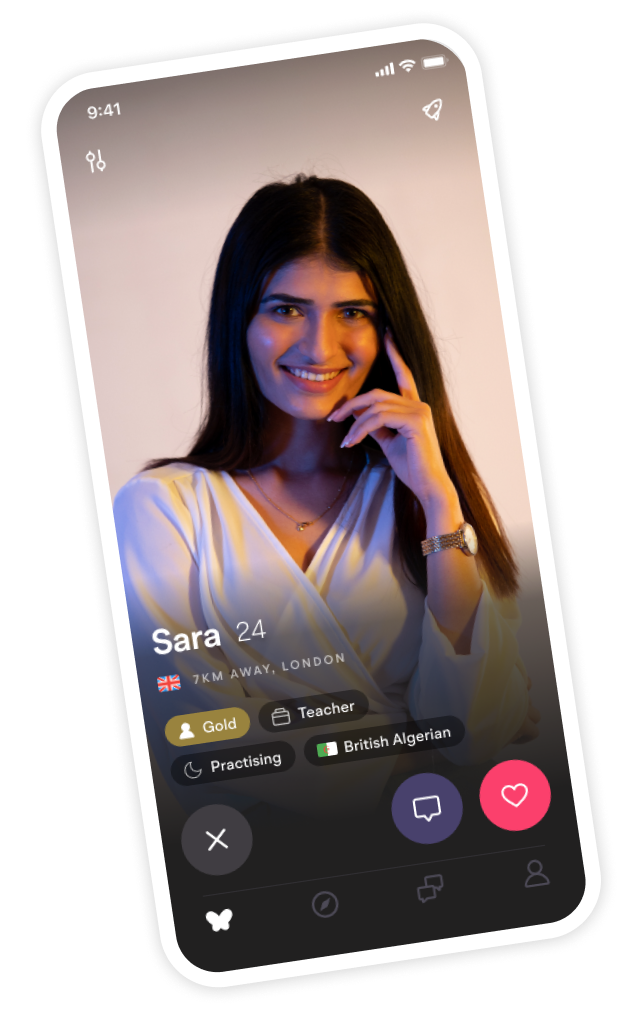
You won’t find your soulmate on this blog post but you might find them on Muzz - the world’s biggest Muslim dating and marriage app.
Women have grown up seeing a very different side of marriage than men. Many have watched their mothers, sisters, and relatives compromise their careers, social lives, routines, and even parts of their identity to adjust to a new family.
So, it’s no surprise that they are now asking more questions before saying yes.
Let’s look at how things were done in the past.
For generations, women were expected to make most of the compromises after marriage. They were often expected to put their careers on hold, change their routines, and prioritise their husband’s family. Over time, these compromises could mean letting go of the things that shaped their individual identities.
Now, look at the other side of the equation.
Men have often grown up without being encouraged to openly communicate their feelings, needs, or expectations. Conversations around marriage were more about “Can you provide?” or “Is the family a good match?” than “How do we want our marriage to work?”
Important questions were often left unasked.
How will you balance your wife and your family?
What role do you expect your wife to play in the family?
How will you handle disagreements between your wife and parents?
What kind of support do you expect from each other?
These conversations rarely happened before marriage.
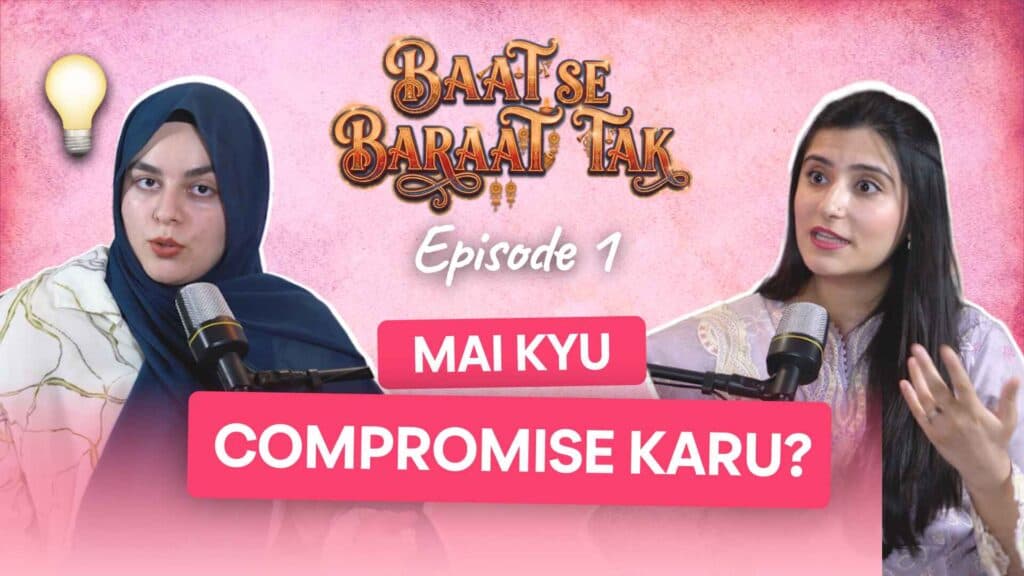
Watch Baat Se Baraat Tak EP 1 here for a more detailed discussion!
And when expectations aren’t discussed, they don’t magically disappear after the wedding. They show up later as misunderstandings, resentment, and conflict.
More importantly, without these conversations, it becomes difficult for two people to understand whether they are actually compatible.
So, what has changed?
The shift may be subtle, but it is happening. Women today are increasingly unwilling to make compromises simply because “that’s how things have always been done.” They want to build their own identities, continue their careers, maintain their social lives, and have a say in what their married life looks like.
They are also asking better questions before marriage. Not just “Is he a good person?” but “Do our expectations, values, and ideas of marriage actually align?”
Men, too, have an important role to play in this shift.
Being a husband isn’t just about being a provider. It also means being clear about expectations, communicating openly, and knowing how to navigate the relationship between your wife and your family. A man shouldn’t expect his wife to figure out her place in his family on her own. He has to help create that space.
Ultimately, marriage is no longer just about two families coming together. It is about two people building a partnership — and that requires clarity, communication, and mutual understanding from the very beginning.
Maybe that’s why more people are choosing to get married later. Not because they don’t want marriage. But because they want to be sure they are choosing the right kind of marriage.