relationships
August 12, 2026
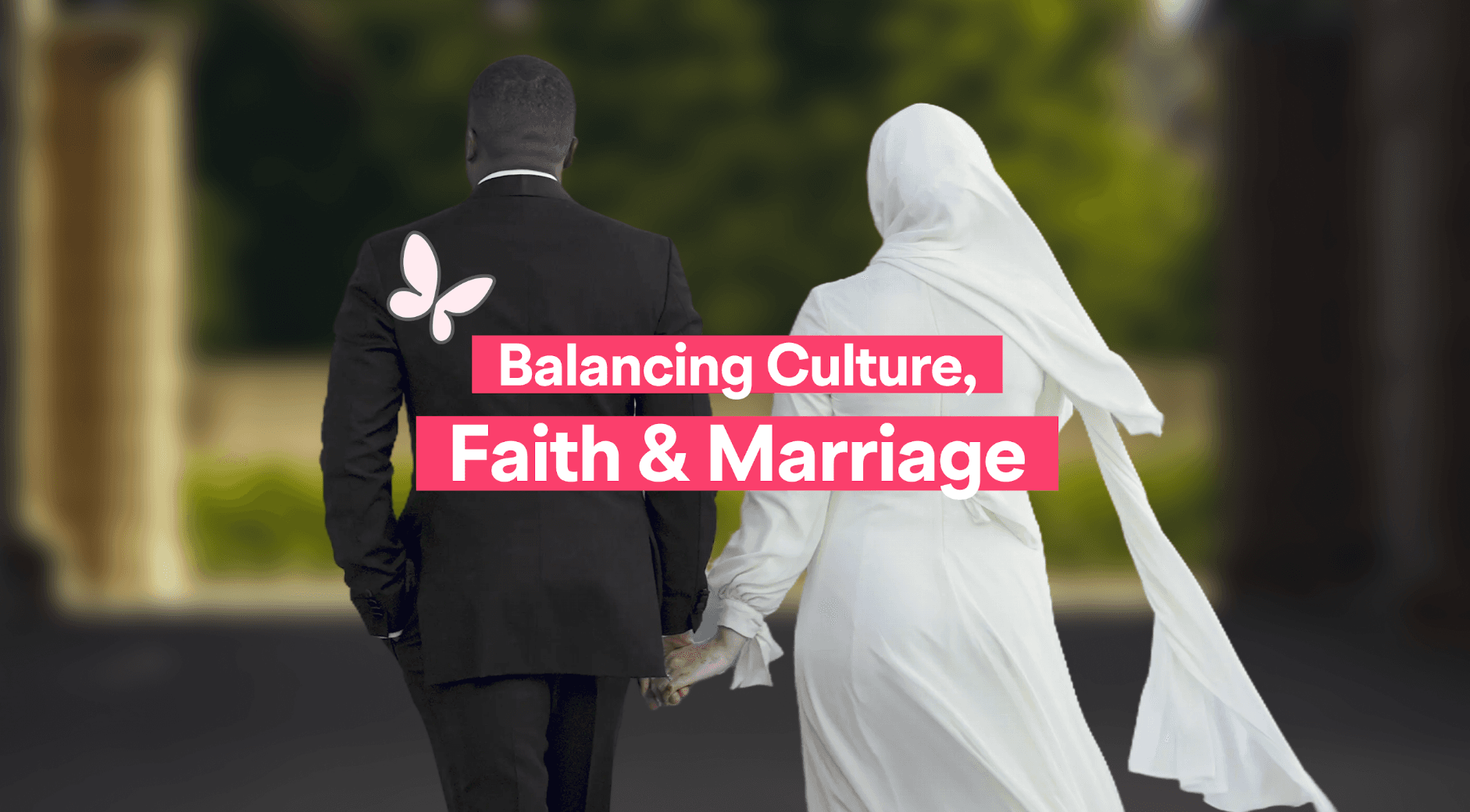
Whilst Islam provides clear guidance on the values that should shape and impact a marriage, cultural expectations and traditions can often influence how we approach finding a spouse, planning a wedding, where we live, and even the timeline for building a family.
Culture is beautiful. It is something we should honour and celebrate because it connects us to our heritage and identity. But when cultural traditions begin to overshadow Islamic principles, the lines become blurred, and culture can become a barrier to marriage. That is when we need to start asking ourselves:
How can we honour our culture while still staying true to our faith?
Islam comes first. Simple as.
Islam places character, deen, and compatibility at the centre of choosing a spouse. Yet culture and community have become barriers for things that simply do not matter, such as:
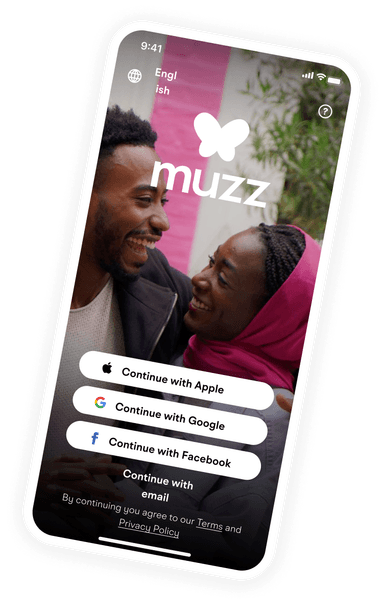

You won’t find your soulmate on this blog post but you might find them on Muzz - the world’s biggest Muslim dating and marriage app.
The burden can often feel increasingly immense, especially when ultimatums are handed out on a silver platter. It can leave people feeling like they have to choose between pleasing their family and following what Islam actually teaches.
Culture and Islam do not need to compete. Many cultural traditions, such as family gatherings, traditional clothing, and wedding celebrations, can enrich the marriage experience. The key is making sure culture complements Islam instead of replacing it.
A helpful question to always come back to is:
Is this expectation rooted in Islam, or is it simply a cultural preference?
If your parents say no, try to understand the reasons behind their decision. Have open and respectful conversations, listen to their concerns, and explain why you believe the person would make a good spouse. Sometimes these discussions require patience and time rather than confrontation.
At the same time, parents should also reflect on whether their concerns are based on genuine Islamic values or cultural expectations. By keeping communication open and placing deen and character above status or social expectations, families can make decisions that lead to stronger and more blessed marriages.